Use English as a Tool, Not an Exam Subject

Still waiting until you memorize enough words and grammar before reading real English? Here is how I stopped prepping for an invisible exam and started using English every day.
Translated from the original Chinese and reviewed by the author. Read the original (Chinese)
Once we leave school, almost nobody wants to learn English just to sit for another exam.
Most of the time, we simply want to read an article from abroad, make sense of technical documentation at work, follow an English podcast, watch a show without subtitles, or have a casual chat when traveling.
Yet here is where so many people get tripped up: our goal has shifted to using English in real life, while our study habits are still stuck in exam prep mode.
As I talked about in why school methods stop working, memorizing word lists, dissecting grammar, and doing drills were built around passing tests. When I first tried picking English back up, I still carried that test-prep mindset too. I kept telling myself, "My level is not high enough yet. I need to memorize enough words and patch up my grammar before I can read real English." As a result, I spent all my time preparing and never actually used the language.
Eventually it clicked: if your goal is to use English, you should put down the grammar textbook, stop memorizing isolated word lists, and start listening to and reading things you genuinely care about, beginning with simple material you can use right now.
Everything Feels Lighter When English Is Just a Way to Get Information
One of the biggest mindset shifts for me over the past few years is this: when you treat English as a subject you have to conquer, every page feels like a pop quiz where every unknown word counts against you. When you treat it simply as a tool for getting information, the pressure disappears.
Take my own daily routine as an indie developer. I regularly follow what engineering teams around the world are building. A while back, the team at Anthropic published a great post on how they designed Claude Code Auto Mode. I opened that article purely because I wanted to see how they thought through the design. I was there for the ideas, and reading in English was just how I got them.
When you are reading for the content itself, the mental weight lifts:
- Nobody is grading you. Even if you gloss over a few unfamiliar words, as long as you walk away with the core idea, you have succeeded.
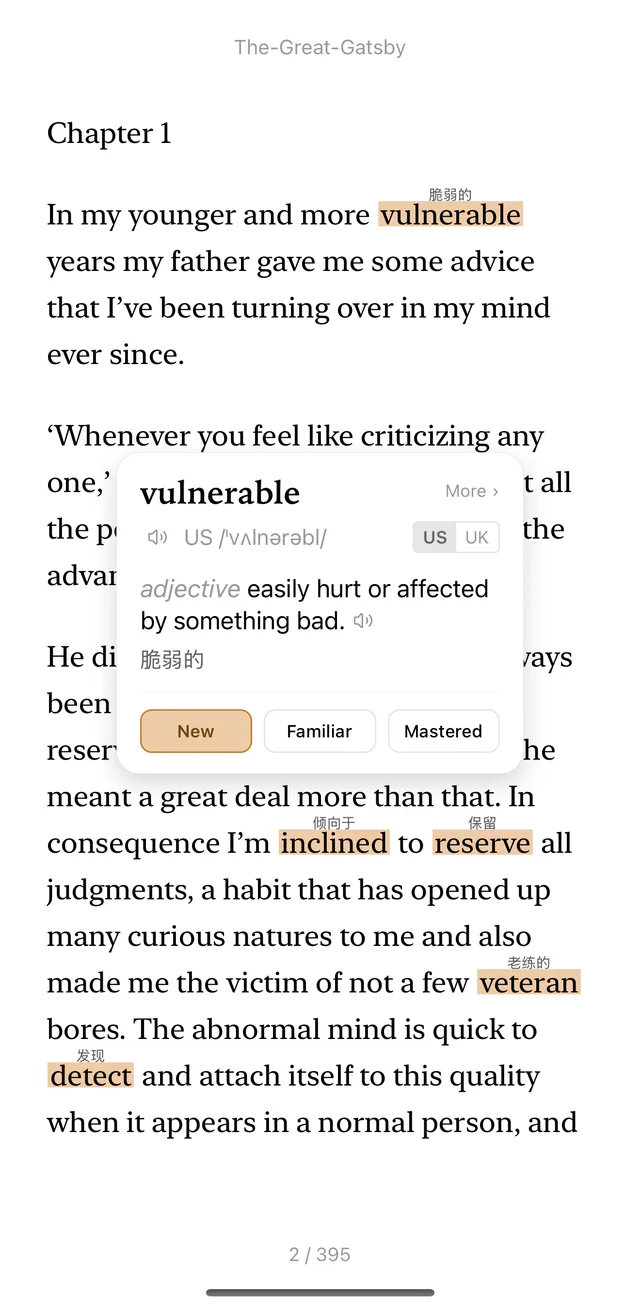
- When a word or a long sentence actually blocks your understanding, you just tap to look it up, get the meaning, and keep reading. There is no reason to treat it like a closed-book exam.
When you read English every day simply to learn about topics you care about, you end up taking in far more English than when you force yourself to sit down and "study."
How I Use English in Everyday Life
Using English in daily life does not require a grand routine. For me, it comes down to three everyday habits:
1. Read first-hand English sources on topics you already follow
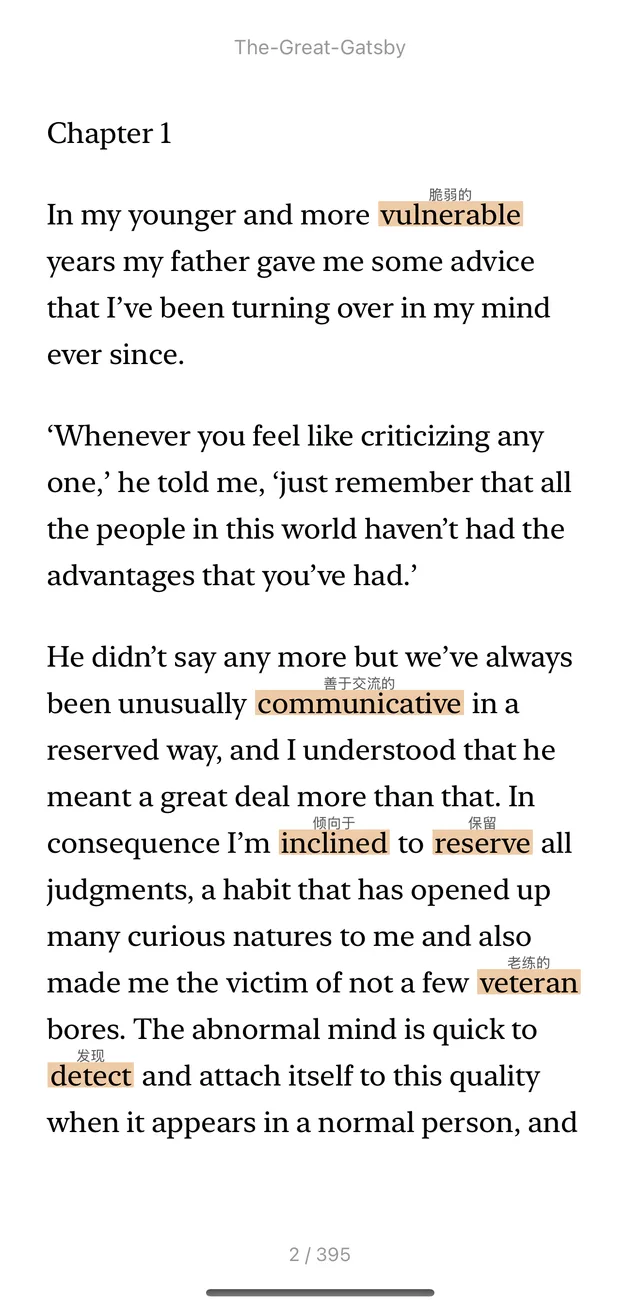
You do not need to hunt down textbook-style passages. If you already follow tech, startups, design, podcasts, or fiction, go straight to the English sources you are curious about. Whenever I come across a good engineering blog post or long-form essay, I use the browser extension to pull it right into SentiaRead. I get a clean reading view, and if I hit an unfamiliar word, one tap shows me the meaning in context. I learn what I wanted to know and practice my English at the same time.
2. Start with simple material you can follow comfortably
Using English right away does not mean jumping straight into the hardest material out there. When full-speed interview podcasts felt too fast for me at first, I started with slower shows like BBC's 6 Minute English, listening while following the synced transcript in SentiaRead. For books, I started with short, easy stories like The Weekend. Letting yourself experience that feeling of "hey, I can actually follow this" is what makes you want to come back every day.
3. Look for small ways to use what you take in
Alongside plenty of listening and reading, output matters too. Whether it is chatting with a tutor, practicing aloud with a speaking app, or writing a few simple sentences or a short post on X in English, actually using the words and phrases you have met in real situations is what makes them yours.
Stop treating English like an exam paper waiting to be graded. Pick an article you already want to read, a simple starter book, or a short podcast episode today, and just read or listen. And if you want to see how I naturally pick up vocabulary along the way, check out The Most Effective Way to Grow Your English Vocabulary.